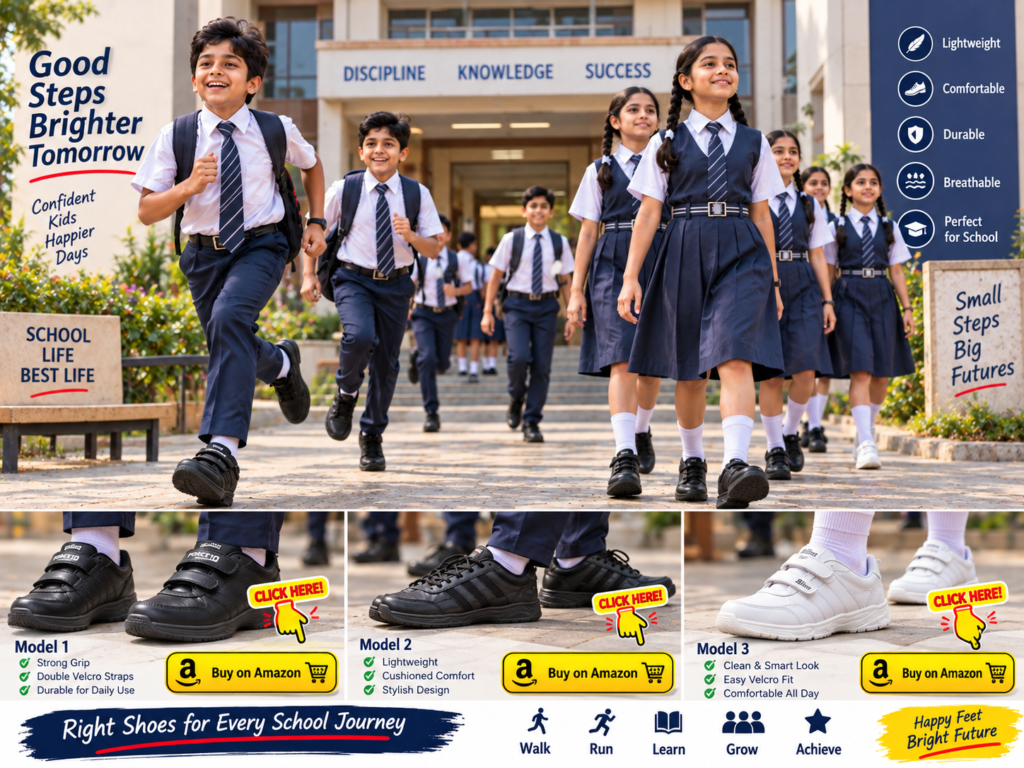
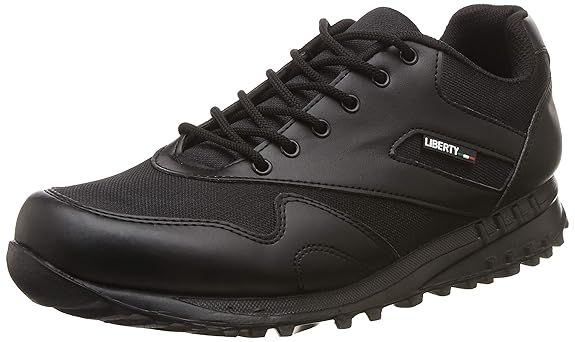
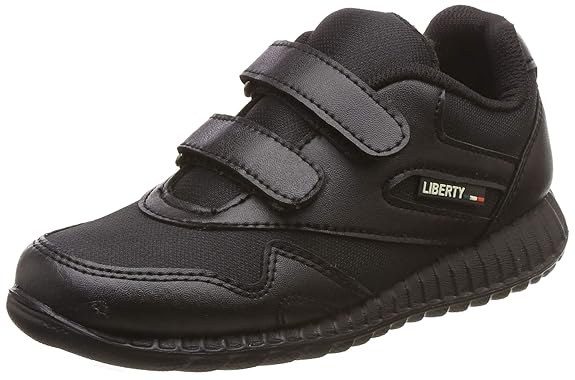
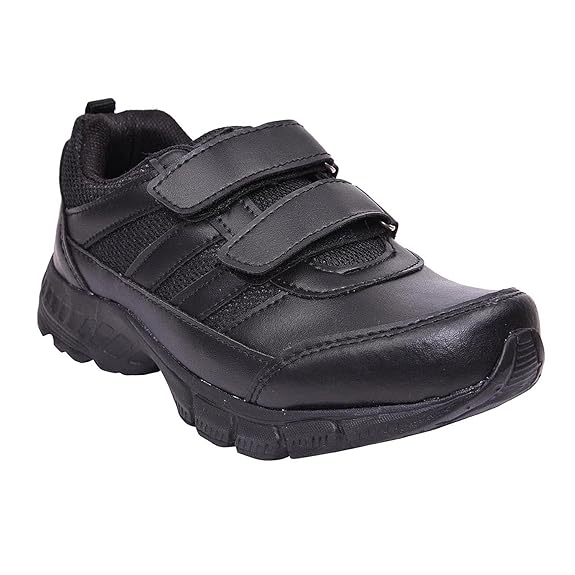
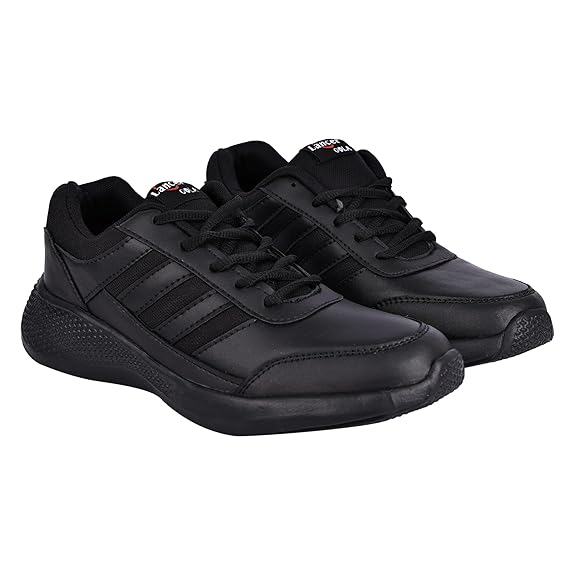
Frequently Asked Questions – School Shoes for Long Hours
1. Why are school shoes important for long hours?
Students spend most of the day walking, standing, and moving between classes. Proper school shoes for long hours reduce foot strain, support good posture, and help maintain comfort and concentration from the morning assembly to the last period.
2. What features should parents look for in school shoes?
Look for cushioned insoles, flexible soles, breathable materials, secure heel support, reliable grip, and a proper fit with slight growing room. These features matter more than brand name alone for daily school wear.
3. Are leather shoes suitable for everyday school use?
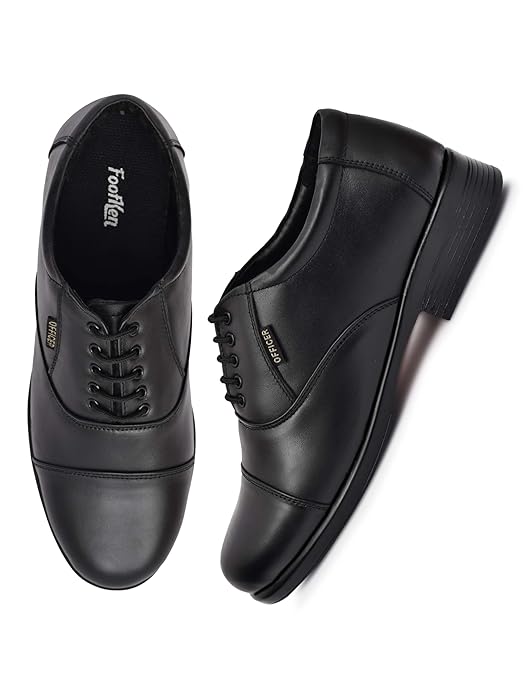
Yes. Good-quality leather or high-grade synthetic alternatives offer breathability, durability, and a neat uniform appearance, making them suitable for long school days. For students who need a traditional school-uniform style, see our guide to black uniform shoes.
Yes. Good-quality leather or high-grade synthetic alternatives offer breathability, durability, and a neat uniform appearance, making them suitable for long school days in Indian conditions.
4. How often should school shoes be replaced?
Replace them when the cushioning becomes flat, the sole loses grip, the upper starts cracking, or the child’s toes reach the front of the shoe. Growing children may need new pairs once or twice during an academic year.
5. Can uncomfortable shoes affect a student’s performance?
Yes. Foot pain and fatigue can reduce concentration, lower energy levels, and make students restless or distracted during long classroom hours.
6. How much growing room should I leave when buying school shoes?
Leave about the width of an adult thumb (roughly 1–1.5 cm) between the longest toe and the front of the shoe. Avoid buying shoes that are much larger “to grow into,” as oversized shoes reduce stability and can cause blisters or poor balance.