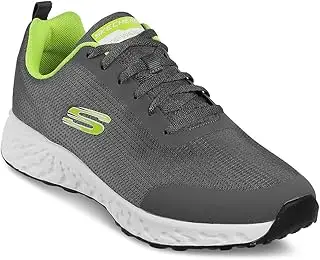
Investor attention is turning to India’s leather sector, with a new roundup identifying five leather-linked stocks positioned for growth heading into 2026. The list comes as the domestic footwear and leather goods industry continues to expand on the back of export demand and rising local consumption, according to Univest.
- Univest has identified 5 leather stocks in India seen as having strong roadmaps heading into 2026.
- The focus reflects growing investor and industry interest in India’s leather and footwear manufacturing base.
- Broader sector momentum is being linked to export potential and domestic demand growth.
The report frames these companies as beneficiaries of India’s expanding role in global leather and footwear supply chains, with manufacturers increasingly positioned to serve both export markets and a growing domestic middle-class consumer base. This aligns with a broader narrative around India’s footwear industry, which has been gaining share as brands and buyers look to diversify sourcing beyond traditional manufacturing hubs.
While the specific company names and financial details weren’t fully outlined in the summary, the underlying theme, according to Univest, is that leather-sector businesses with solid operational fundamentals are being viewed favorably for the year ahead. This comes at a time when leather goods, footwear, and allied manufacturing have been cited repeatedly as growth areas within India’s broader export ambitions.
For everyday shoppers, this kind of market interest is often a signal of a healthier, more competitive footwear ecosystem, more brands, sharper pricing, and continued innovation in materials and design as companies invest to stay ahead. Read the full breakdown at Univest.
If you’re navigating the growing range of leather footwear options this trend points to, our own buying guides at Ambur Shoe Shop can help you make sense of quality, craftsmanship, and value when picking your next pair.
As India’s leather sector continues to draw investor confidence, shoppers can expect the competitive landscape to keep evolving through 2026.