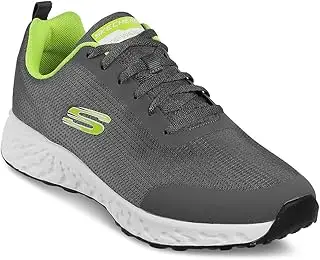
India’s footwear industry is increasingly turning its attention to the non-leather segment, with government investment body Invest India spotlighting the opportunities this growing category presents. As global demand shifts toward synthetic, vegan, and alternative materials, this trend carries real implications for manufacturers, retailers, and shoppers across the country.
- Invest India has identified India’s non-leather footwear segment as an area of significant untapped potential.
- The push reflects broader global shifts toward synthetic and alternative footwear materials.
- This trend could open new opportunities for Indian manufacturers and retailers catering to changing consumer preferences.
Non-leather footwear, made from materials like synthetic leather, canvas, rubber, and other man-made compounds, has been gaining ground worldwide as consumers look for more affordable, versatile, and often more sustainable options. According to Invest India, India is well positioned to capitalize on this shift given its existing manufacturing base and raw material resources.
The footwear industry in India has traditionally been closely tied to its leather sector, one of the largest in the world. However, the growing emphasis on non-leather alternatives suggests a diversification that could benefit smaller manufacturers and expand the range of products available to Indian consumers, from casual sneakers to formal shoes made without animal-derived materials.
For shoppers, this evolving landscape means more choice when it comes to selecting footwear that fits their budget, style, and material preferences, whether that means classic leather craftsmanship or newer synthetic alternatives.
If you’re exploring the differences between leather and non-leather footwear options for your own wardrobe, Ambur Shoe Shop’s buying guides can help you understand what to look for in quality, durability, and value across both categories. Visit Ambur Shoe Shop to learn more.
As India’s footwear sector continues to evolve, the growth of the non-leather segment looks set to play an increasingly important role in shaping the industry’s future.